
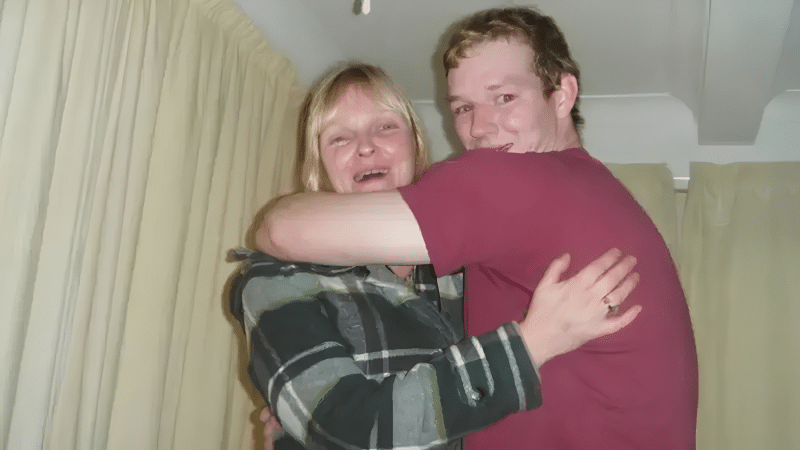
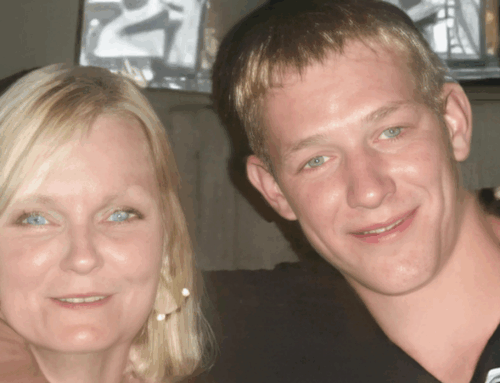
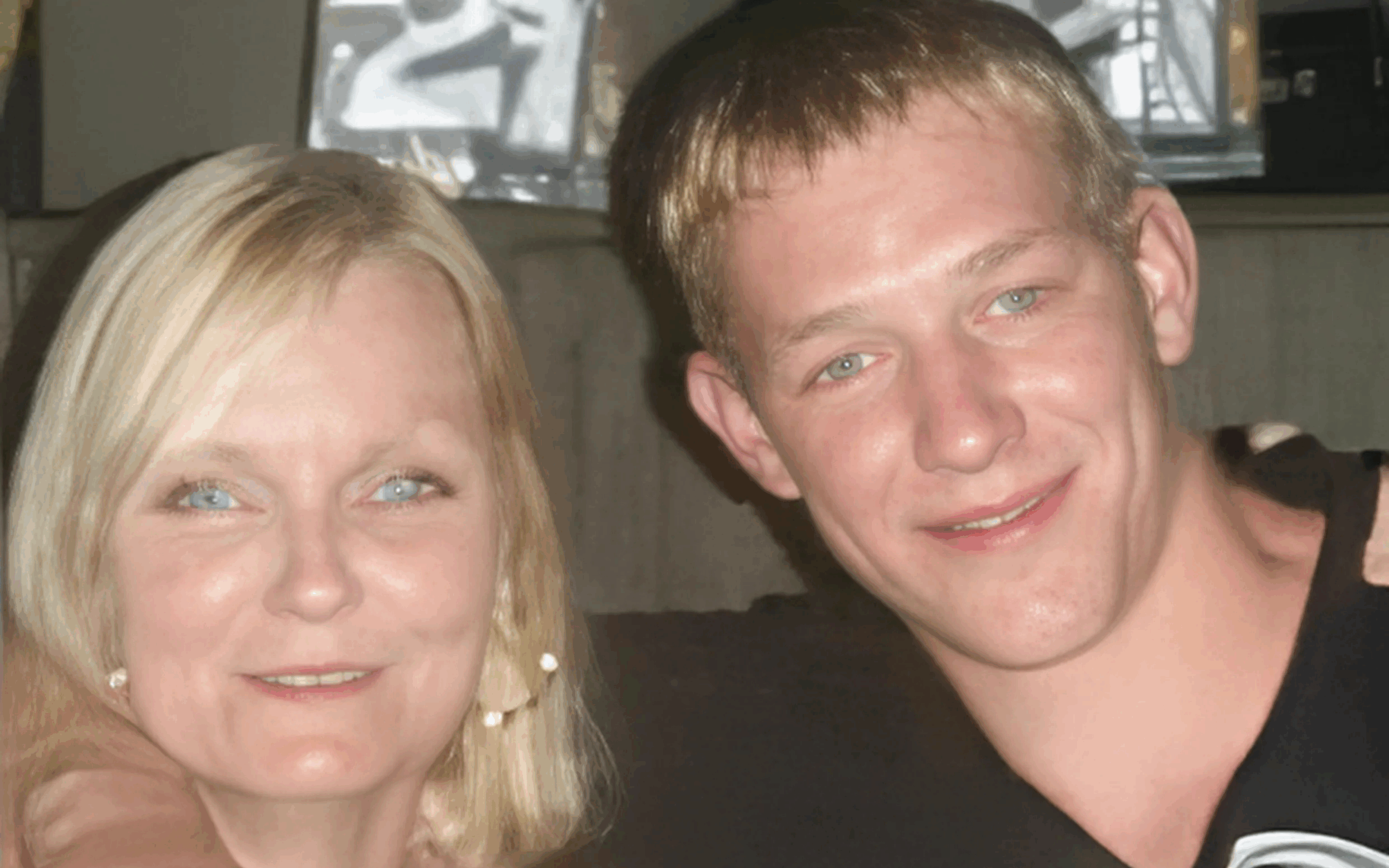
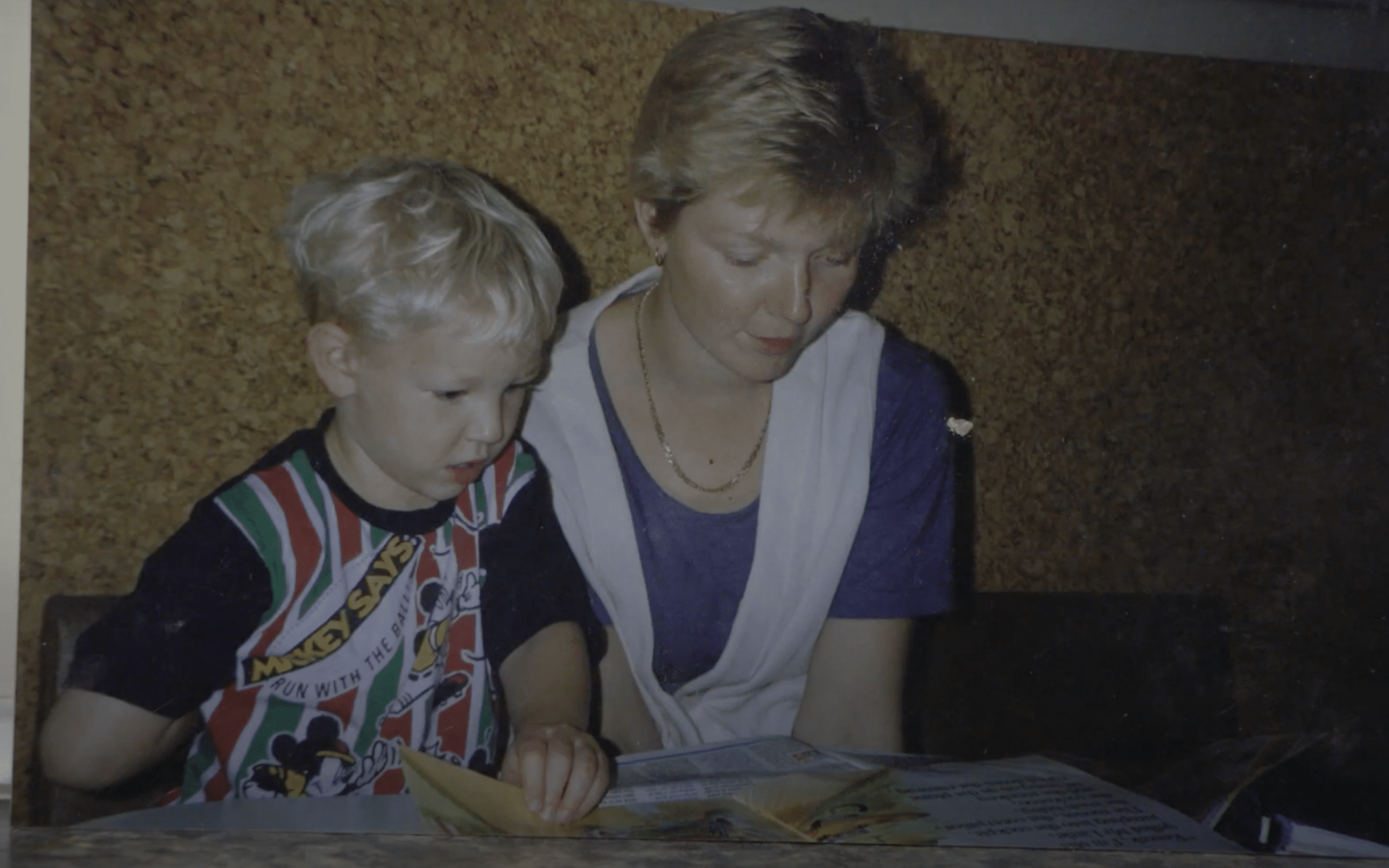
Although it’s been 8 years since my son Ben died from a drug overdose, time hasn’t lessened the pain, and I’ve had to accept that it never will. Grief isn’t a linear path or one with a destination; it is a lifelong journey, and I’ve had to learn how to live with it beside me. It’s never far away, ready to pounce at any time. The most unexpected thing I’ve discovered this year is that grief is also love. It’s a reminder that Ben is still with us on our journey; he still influences us, and that brings me comfort and serves as a reminder of the power of love.
Ben died of a drug overdose. This can bring very complicated feelings, from anger and hopelessness to the feeling that your loved one and yourself are being judged; somehow, it’s your fault. Before they died, you remember the chaos, the lies, the sleepless nights, the fear, and the way drugs slowly took your loved one away, as it became their best friend, their savior, and also their worst enemy. Among all of this, there are moments of hope—you see your loved one coming back to you, full of optimism, and then, all too often, the drug snatches them back. So, when someone dies from a drug overdose, you not only lose them once but twice—once to the addiction and once to death.
Ben was a vibrant, funny, kind, and caring person. He was my firstborn, and we were very close. He was diagnosed with ADHD at an early age. Now that I have been diagnosed later in life, I know how extremely difficult it can be to live with. You lack a hormone and neurotransmitter called dopamine, which controls the brain’s reward system, regulates feelings of pleasure and helps control concentration and memory.
You can become overwhelmed and impulsive, and for a child, it is harder for them to understand. When you’re constantly being told off or asked to sit down and concentrate on a task you really struggle with, and see everyone else able to do it, it can really knock your self-confidence and self-esteem unless you’re given the right support.
Ben, I realise now, was always seeking the next adrenaline hit—something to make him feel better. Many people with ADHD can also suffer from depression because of this lack of dopamine, so they seek it elsewhere, from extreme sports to risky behavior and drugs—all of which will make you feel better or, in Ben’s words, normal.
This is why drugs for a person with ADHD are so attractive and addictive: they give you that hit of dopamine and make you feel “normal.” But of course, we all know this is temporary, so you keep taking more. As humans, we are programmed to avoid pain, both physically and mentally. Many people who use drugs are acting on instinct, yet many who use drugs or fall into addiction are judged as failures, criminals, or unworthy of help. Is this right?
Around two years after Ben’s death, I started asking these questions:
Could this have been avoided?
Is our attitude and approach to drug use reducing the harms and deaths?
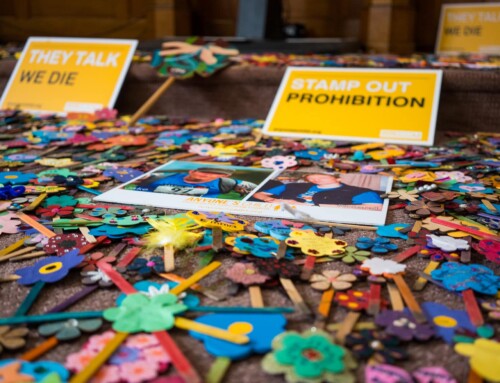
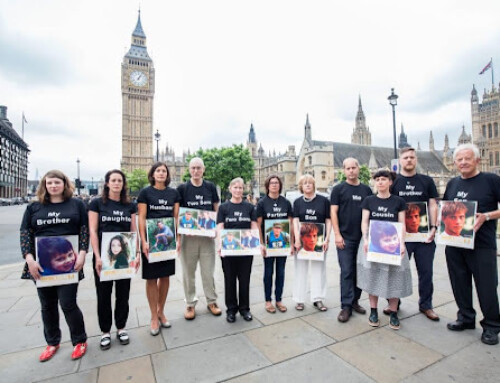
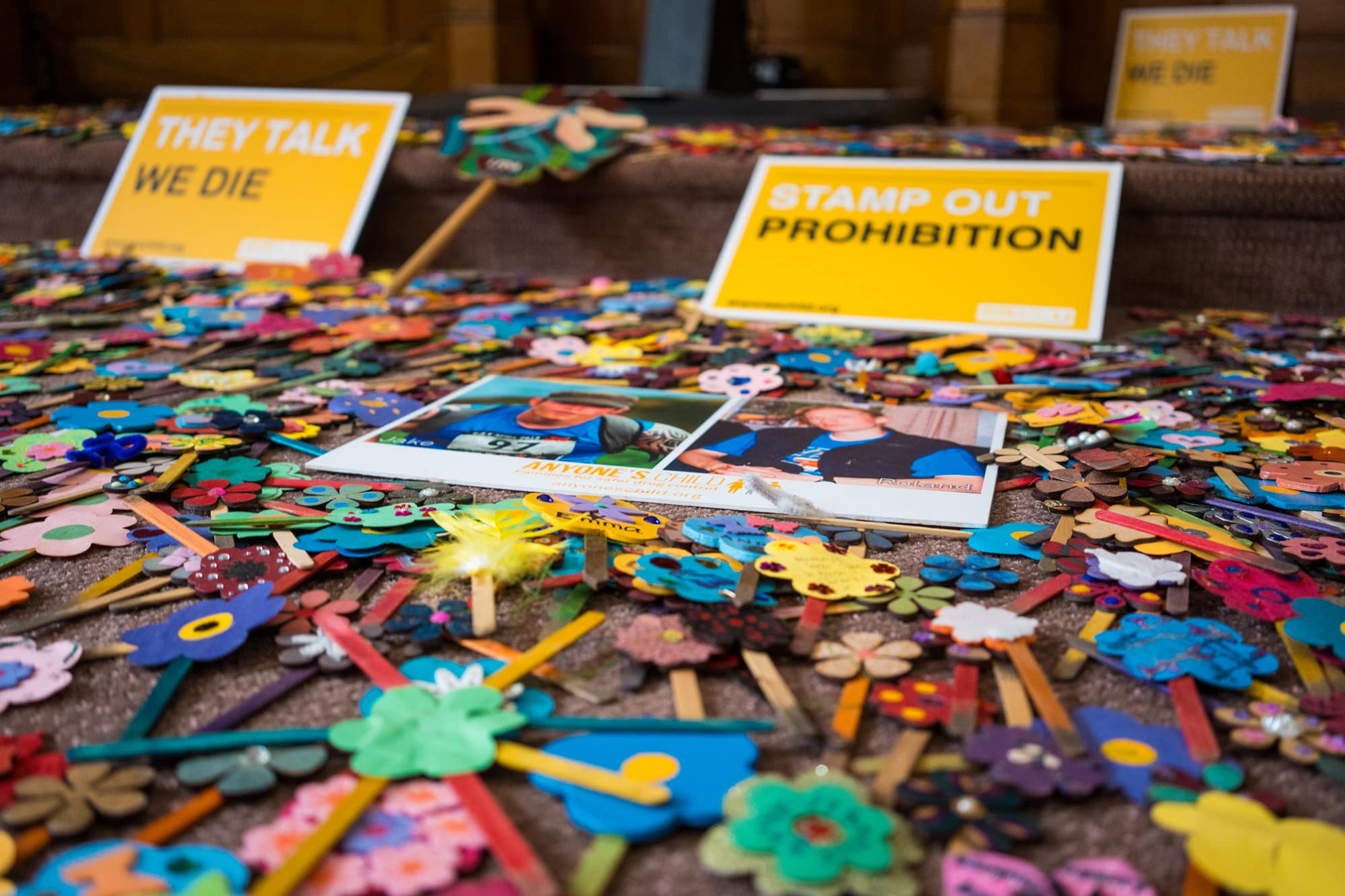
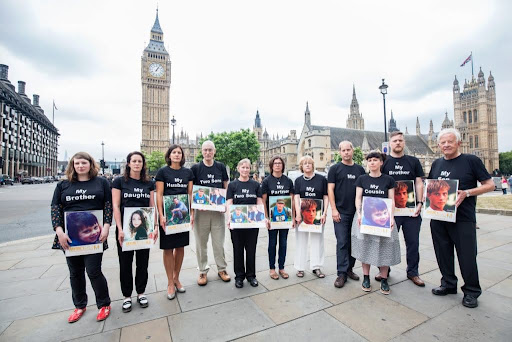
I researched and discovered that each and every year since the Misuse of Drugs Act of 1971, death and harm have risen. Clearly, we are losing the so-called war on drugs. I joined the Anyone’s Child campaign group, a group whose members have all lost loved ones to drug overdoses, all with the goal of preventing the same tragedies from happening to other families, reducing harm, and making the world safer for our young people. We lobby MPs to view drug use as a health issue, not just a criminal one.
Most of the harms from drug use are due to their illegality. This doesn’t mean people will stop using or wanting them; it simply means the supply is pushed into criminal hands, making it more dangerous and causing more harm. A person who uses drugs is labeled a criminal for effectively self-medicating. Is this right? Wouldn’t it be far better to have a regulated alternative, taking business away from criminal gangs that don’t care about the welfare of users?
One of the other problems I found was that when Ben was using drugs, it limited his access to recovery services. Very often, support is abstinence-based; you have to stop using drugs before you can receive support with mental health, recovery, or any other issues you may have. We all know how hard addiction can be to break free from, and it can take several attempts or, for some, they are simply not ready at that time. But if they can still get help and be cared for even while still using, they could become strong enough to start on the road to recovery.
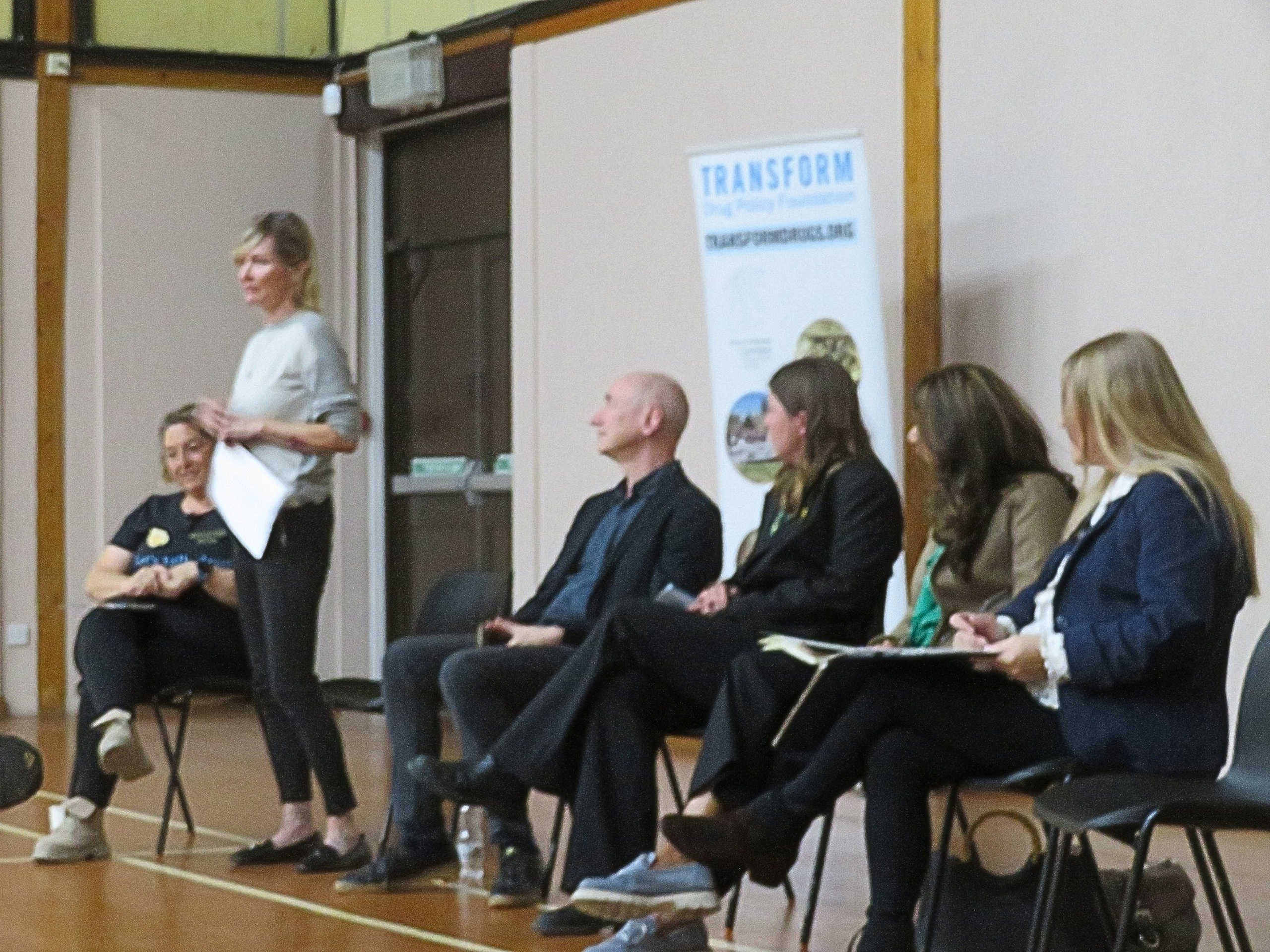 Overdose prevention centres and drug testing have been proven to reduce harm and prevent deaths. I believe that if they had been available, the outcome for Ben might have been different. They don’t just facilitate a safer environment to take drugs; they are also places where individuals can receive medical support, both physical and mental, have honest conversations about their drug use without fear, and receive kindness and care, while also taking drugs off the streets. Drug checking also saves lives because the market is unregulated. People don’t know what is in the drugs; checking allows people to make more informed choices. People often see the addiction, not the person or the reasons behind the addiction; this needs to change. Our NHS is on its knees, prisons are full to bursting, social workers’ loads are unmanageable, and cutbacks always seem to target youth or recovery services. Our young people need positive activities so they are less likely to fall into drug use.
This past year, Anyone’s Child has hosted events up and down the country, lobbied MPs for change, and spoken to many services, sharing information on initiatives that have been proven to have positive results. I’ve discovered the power of talking to people; many haven’t shared their stories because of fear of judgment and the stigma surrounding drug use. These conversations help reduce that. Things are changing slowly. Many MPs want change but are shouted down. This subject is often used as a political hammer; even with evidence, they are fearful of change. I feel it is crazy to keep doing the same thing and expect a different result. Ben is one of over 40,000 people who have died since Anyone’s Child was formed 10 years ago, many of which were avoidable if only the government were as brave as those who have to get up each day with the unbearable pain of losing a loved one too early. Telling mine and Ben’s story is always hard, but I know he would want me to carry on if it can help others and lead to better outcomes for those suffering under the cloud of addiction. He was kind, caring, and very much loved. That is how I want him to be remembered.

Leave A Comment