
By Matt Hanson
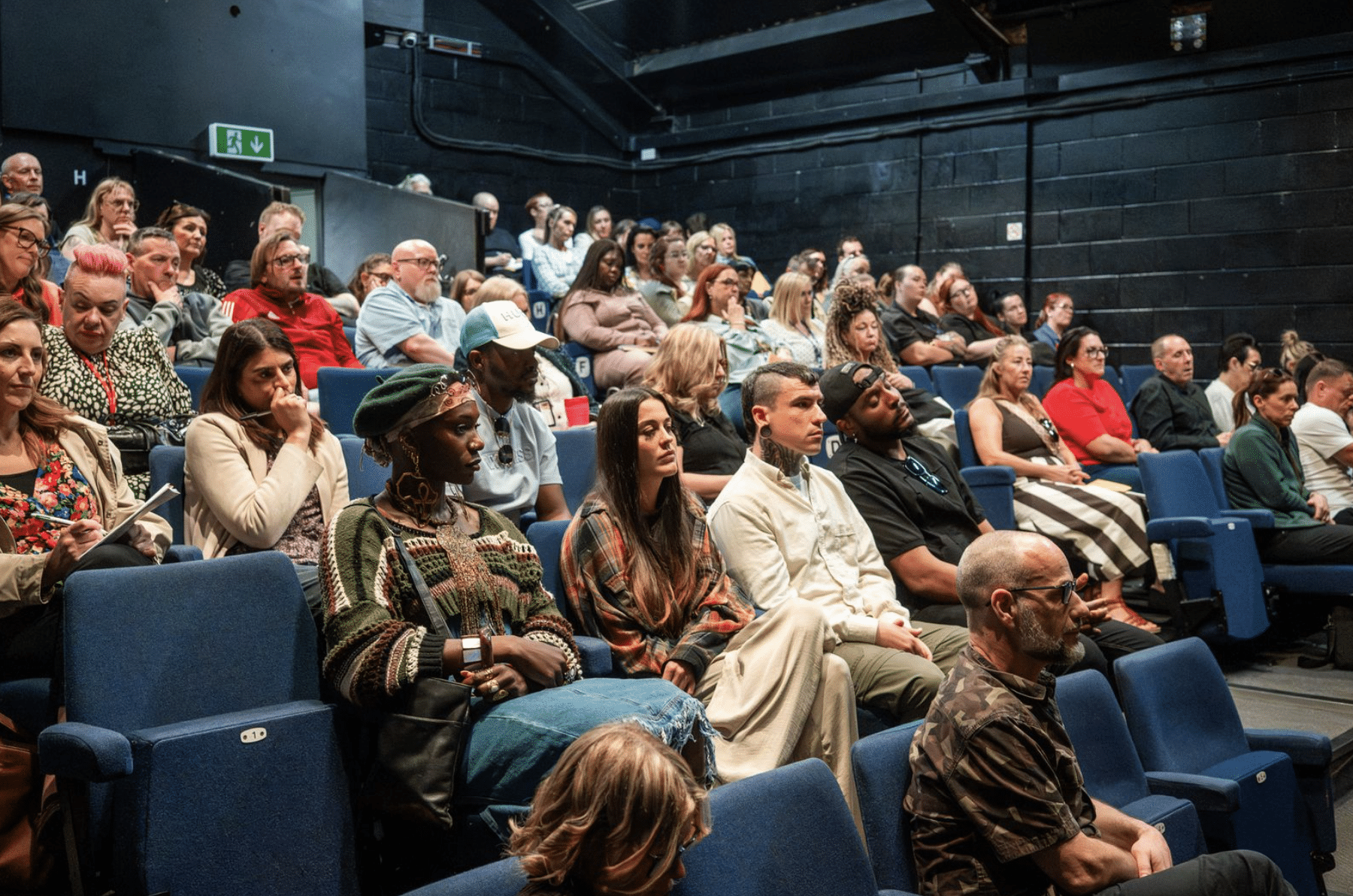
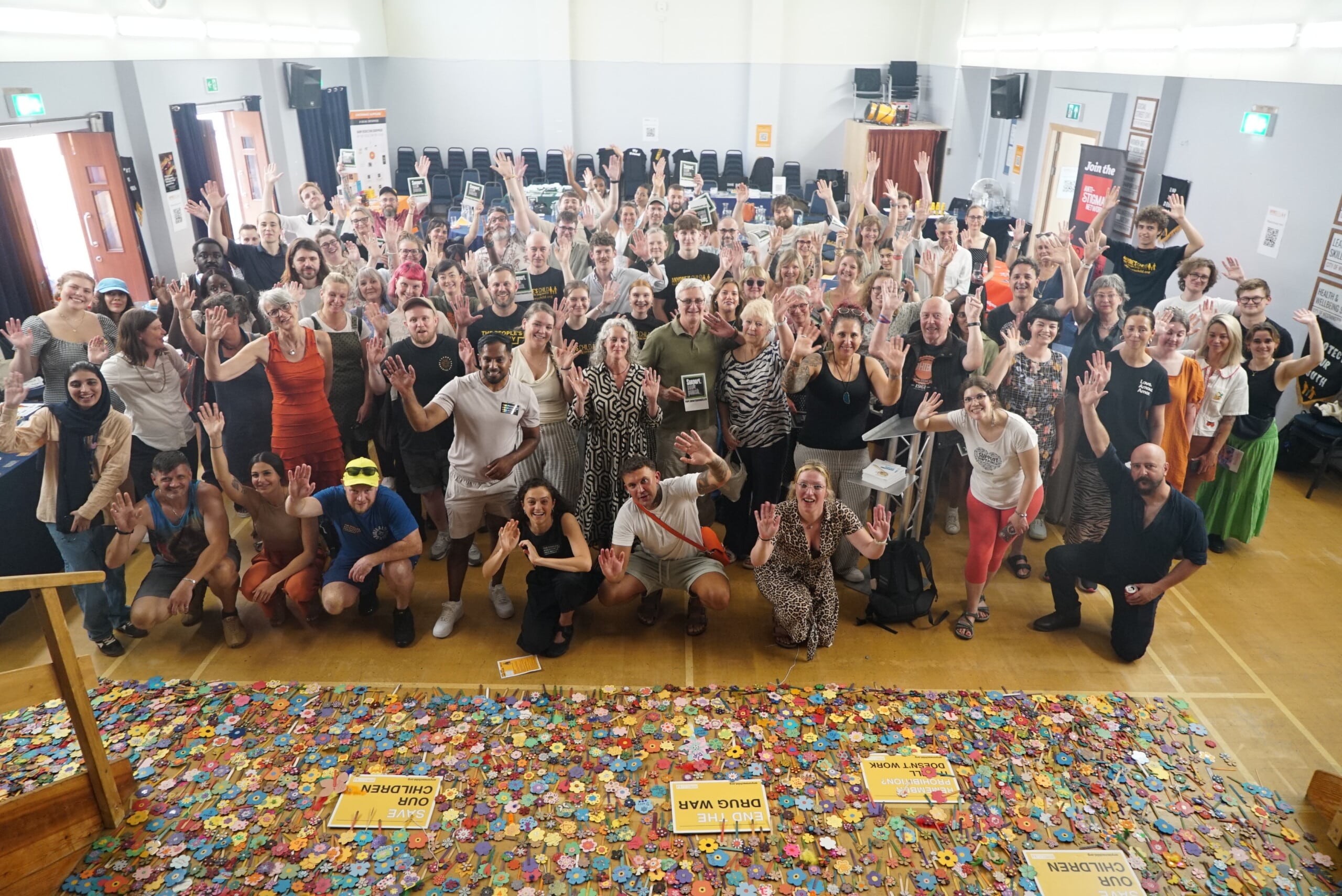
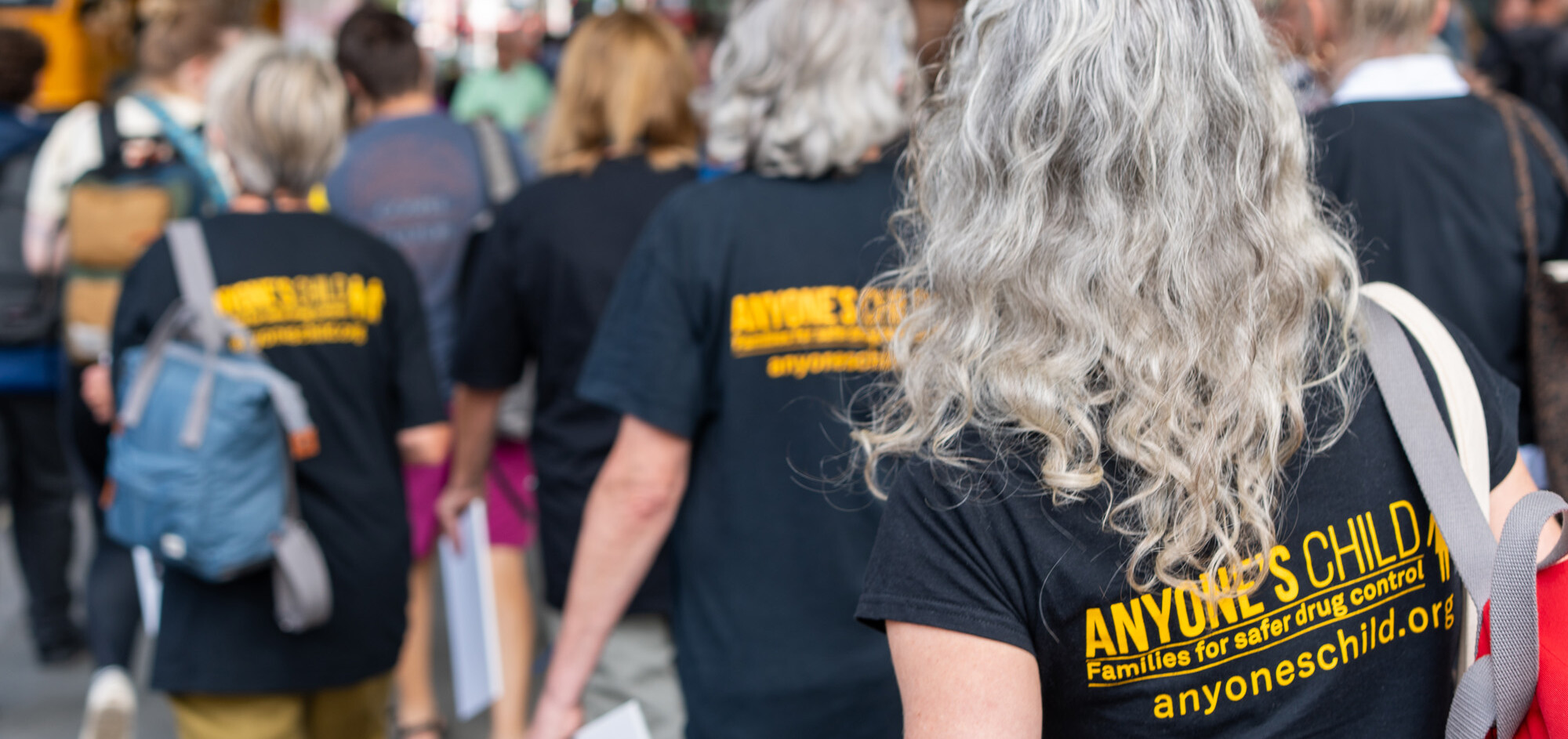
On a sunny Yorkshire afternoon, I made the short trip from Leeds to Doncaster for the Take Ketamine Seriously event at Doncaster’s Little Theatre, organised as a joint event by Project 6, Transform Drug Policy Foundation and Anyone’s Child: Families For Safer Drug Control.
Having come into contact with ketamine in my formative years and university days, I was familiar with ketamine and its appeal. However, having worked in drug services for over five years now, I would have to admit that my knowledge of ketamine in a clinical and treatment sense was lacking. Being aware of this blind spot, I endeavoured to learn as much as I could throughout the afternoon.
Ketamine has seen a transition in the last 20 years from what was once seen as a niche drug to a mainstream staple endorsed by celebrities and public figures. Its appeal as a dissociative anaesthetic with psychedelic qualities, short-lasting effects and relative cheapness has all contributed to its current popularity amongst a widening demographic.
This has provided consternation for treatment service providers, policy makers and enforcement alike. Whilst ketamine use has increased in the UK, as a country we have struggled to develop appropriate and evidence-based treatment and expand our knowledge base of the implications of its use. As you may or may not know, ketamine is currently a class B drug, however since January 2025 the Government has been in dialogue with the Advisory Council on the Misuse of Drugs (ACMD), with a view to moving ketamine to a class A drug. This was the backdrop for the Doncaster: Take Ketamine Seriously event.
The proceedings were split into two halves. The first session set the scene for the current social, policy, enforcement and human impact that ketamine is currently having in the UK. The second part aimed to shine a light on harm reduction, treatment options, and emerging practice for ketamine use through the stories of those that have been through treatment.
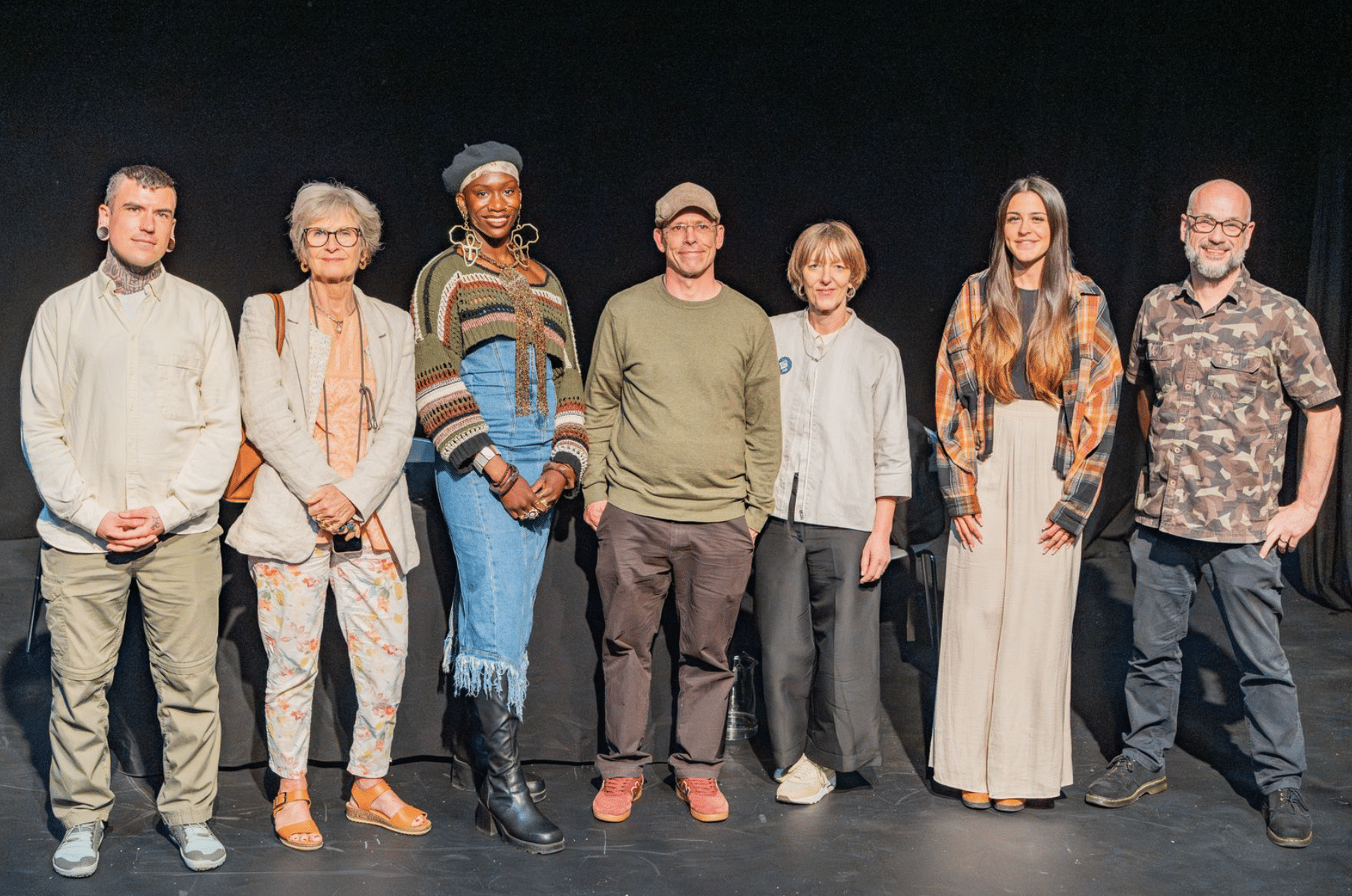 Jon Gooch from Project 6 kicked the day off in poignant style by reminding us of the role that stigma has in the perpetration of harm related to substance use, and how it remains baked into the system we live in.
Dave Tebbet introduced the work of Transform and their campaign, Anyone’s Child, highlighted the dangers of reclassification and welcomed the ACMD’s recommendation that ketamine remain a class B drug, before introducing the day’s first panel. As CEO of the drug checking service The Loop, Katy Porter explained that ketamine now makes up about 20% of the samples received by their service. Interestingly, Katy suggested that one of the most crucial functions The Loop plays is talking to people about their experiences, their patterns and the risks they are facing when using substances.
As an ex-undercover police officer, Neil Woods is somebody who you may be familiar with, having appeared in various documentaries. Neil highlighted the monster of organised crime that has been created by the prohibition of drugs. Neil’s contention, echoed throughout the day, is that reclassifying ketamine is only likely to increase risk to vulnerable people.
Since her daughter died from an accidental ketamine overdose, Vicky Unwin (Chair of Transform Drug Policy Foundation) has consistently campaigned for drug policy reform. Vicky suggested that children and adults alike will always do their own thing and make their own decisions, therefore the sensible and humane thing would be to ensure that they are safe whilst using substances such as ketamine.
After the Q&A, we took a brief break in the glorious Doncaster spring sunshine before reconvening in the capable hands of Mat Southwell (COACT). Mat has a wealth of knowledge on diverse topics including lived experience of drug use, harm reduction and international development. His role on the day was to set the stage for Naomi, Abbie and Mason.
In her role as a drugs worker for Project 6, Naomi Azeez has used her lived experience to help provide support to people that are culturally relevant. Naomi spoke about the importance of treating people as individuals so that care and treatment can be tailored to their needs. She was adamant that whilst services clearly work for some people, they need to work for everyone, so that racial disparities and other intersectional factors in healthcare outcomes can be eradicated. 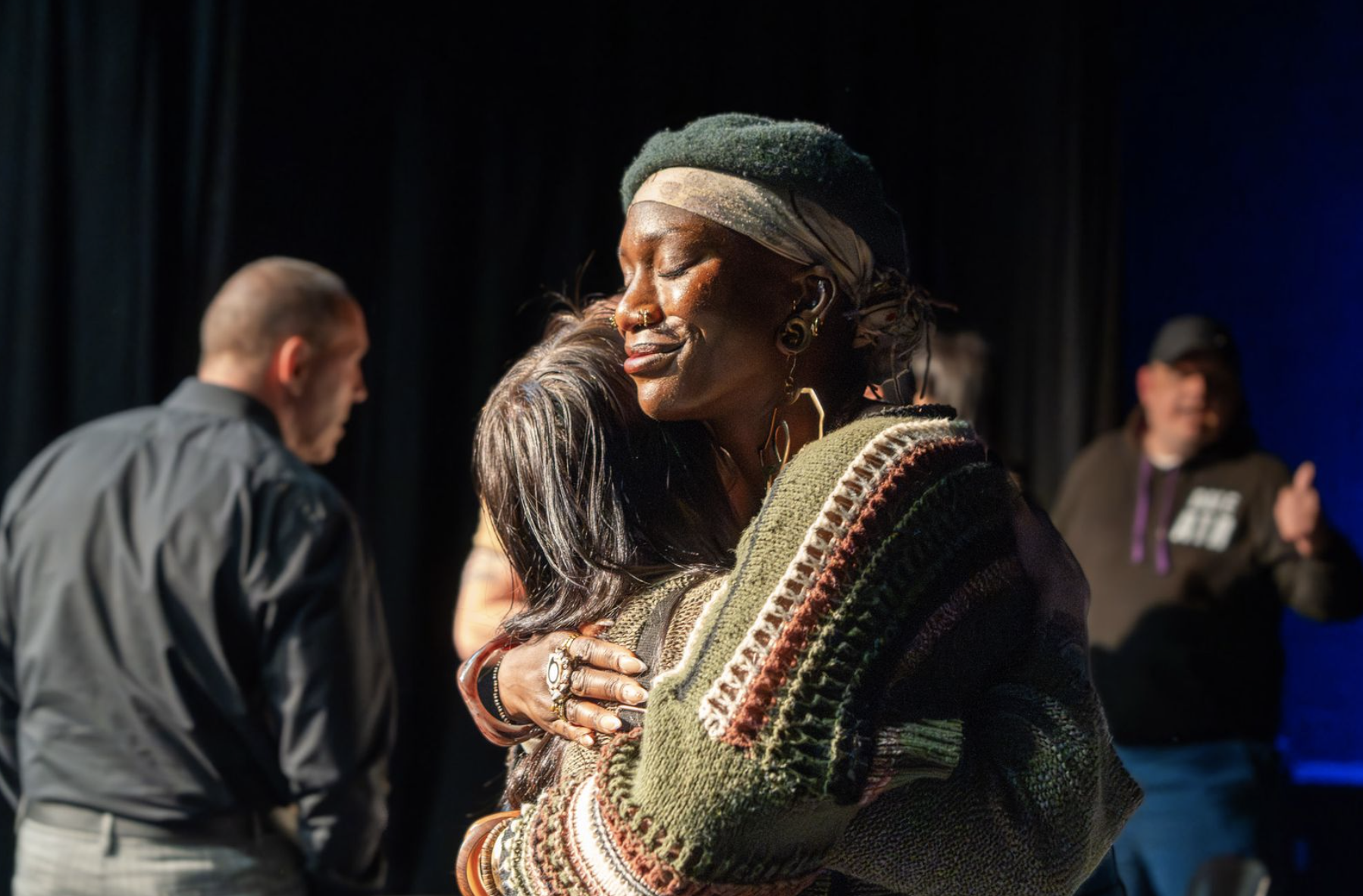
As a dual qualified nurse and someone with lived experience, Abbie Christie spoke about three areas that she feels are currently impacting on people being treated effectively for ketamine use: lack of clinical knowledge about ketamine, services not being set up to meet the needs of people using ketamine, and a lack of services that offer a holistic approach to treating mental health, substance use and physical health together. With problematic ketamine use at an all-time high, Abbie suggested that we as a society should seek to understand the reason why people are seeking to dissociate to this extent.
Mason Stillings is clearly a busy man. As well as having time for activism, co-organising peer support groups, ambassadorial roles, moderating Reddit threads and working to promote men’s health, he took the time to extol the virtues of alternative ways of healing from ketamine overuse. The evidence base remains developing in this area, but Mason’s lived experience and engagement with groups that have been affected by ketamine use has yielded a wealth of anecdotal evidence that he is urging healthcare bodies to examine in order to improve ketamine use treatment here in the UK.
As the day drew to a close, I found myself reflecting on what I did and did not know about ketamine. I know in my own work with people I have seen the clear disparities in how we treat ketamine versus how we treat more traditionally established drugs in the UK, such as heroin and alcohol.
Just the other day I was reflecting on the fact that if we need to check on the health of somebody’s liver, we can do a liver scan on site and get the results straight away. However, if somebody wants to know the health of their bladder, I am required to ask the consultant to send a letter to the GP, who is then required to send a letter to the specialist urology consultant.
The message running through the day was clear: although many people and organisations are doing excellent work, the system still needs to improve. The discussion and speakers at the Take Ketamine Seriously event offered genuine hope and optimism. We must continue to approach drug use with compassion and focus on meaningful change for those most affected. By choosing not to recommend reclassifying ketamine from Class B to Class A, the ACMD has signalled the importance of staying grounded in evidence. This decision strengthens the case for practical, proportionate reforms that better reflect the realities faced by individuals and services alike.
Photographs by Nigel Brunsdon





Leave A Comment