
Experts and Families Call for Legal Control and Regulation in Leicester
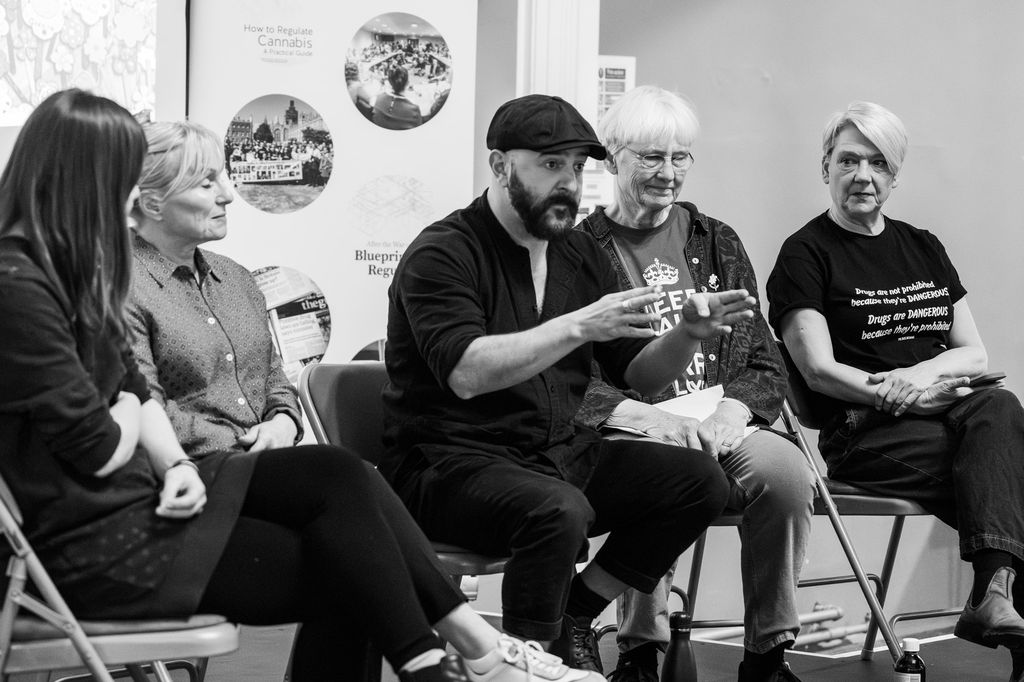
Hansom Hall, a Grade II listed landmark built in 1845 and known as the circular “Pork Pie Chapel,” is named after its architect, Joseph Hansom. Hansom was a figure of great contrasts: famed for inventing the ubiquitous horse-drawn cab and designing monumental civic works such as Birmingham Town Hall, he was also a committed socialist believing human suffering stemmed from broken systems rather than moral failings or personal flaws. This perspective made the hall a particularly suitable venue for the Anyone’s Child: Families For Safer Drug Control event, “Leicester: Take Drugs Seriously.
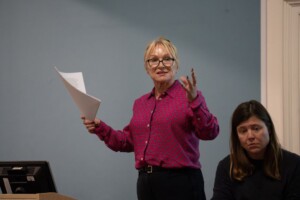
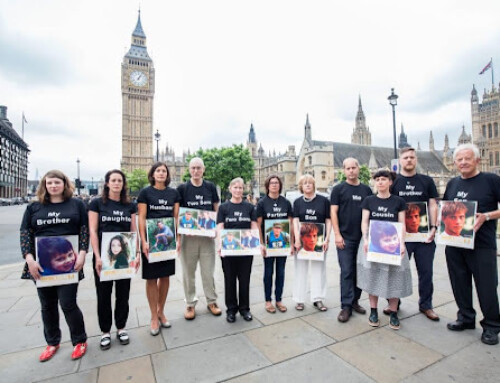
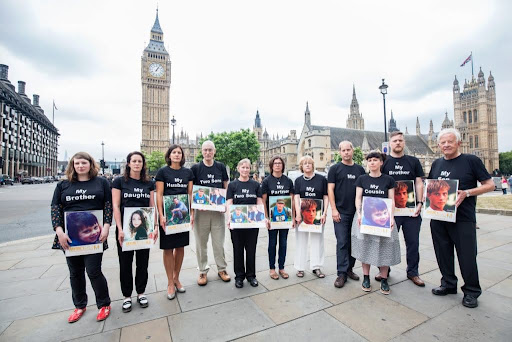
The evening was hosted by a diverse panel, including a best-selling author, a former detective, a general practitioner, and a bereaved family member, all highlighting that the Misuse of Drugs Act is not only a policy failure but the driving force behind an avoidable public health crisis.
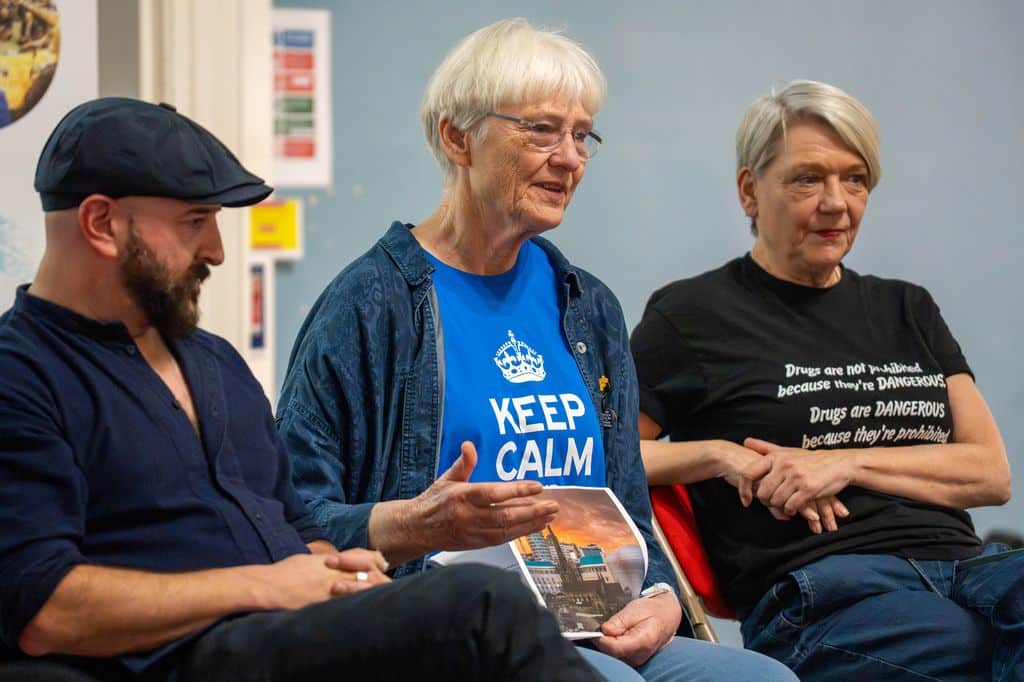
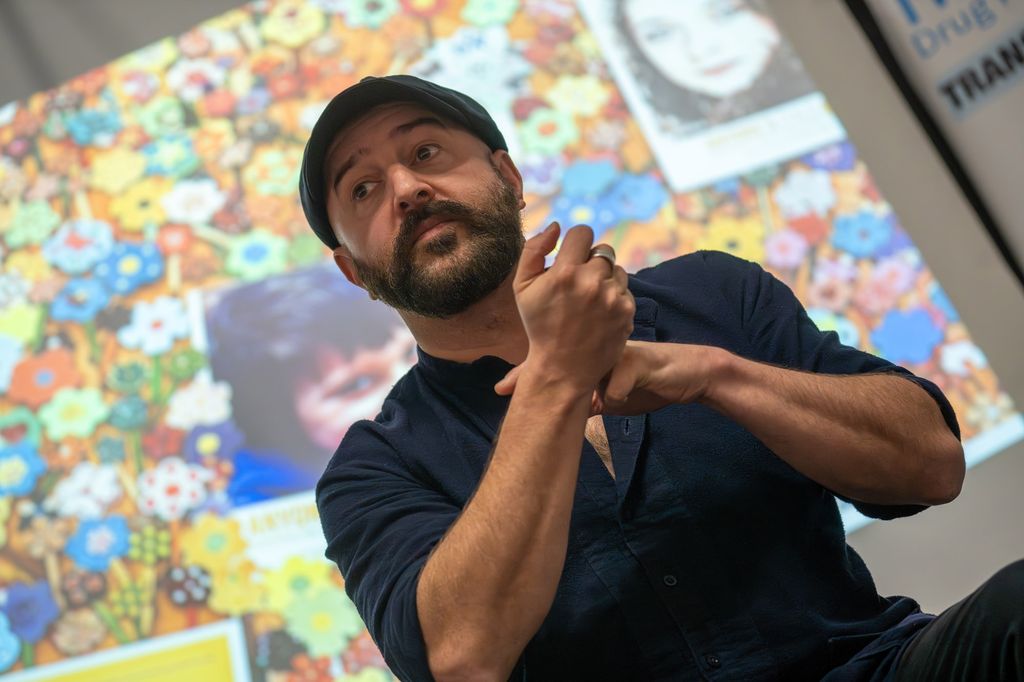
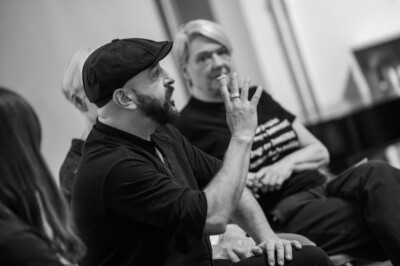
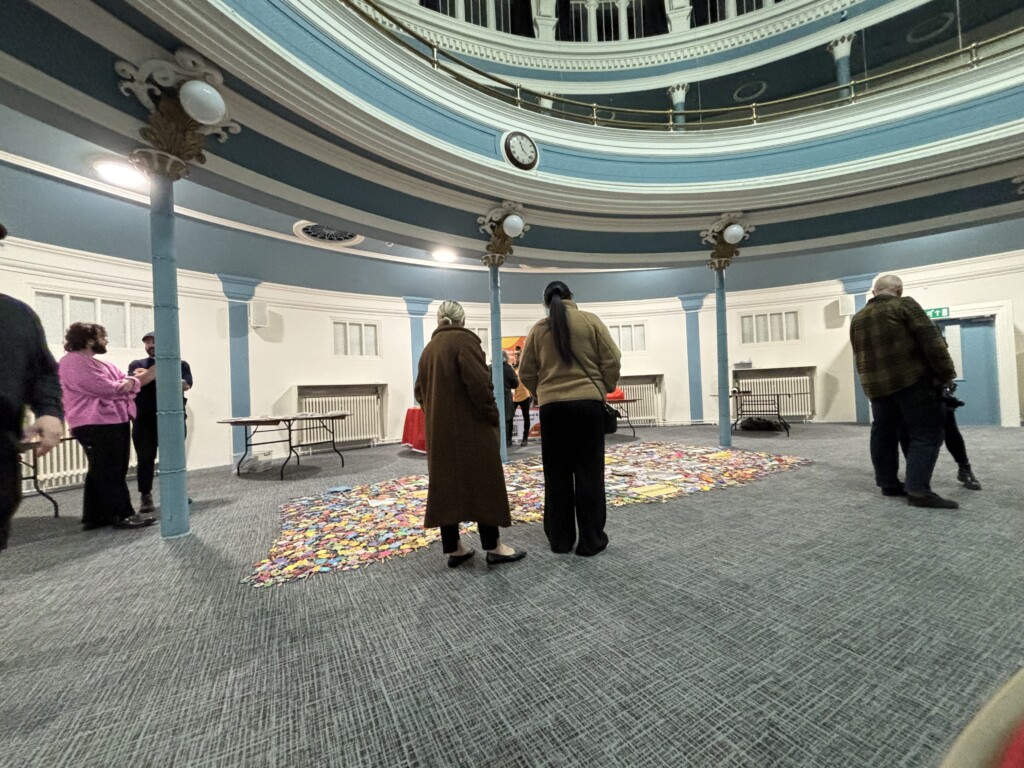
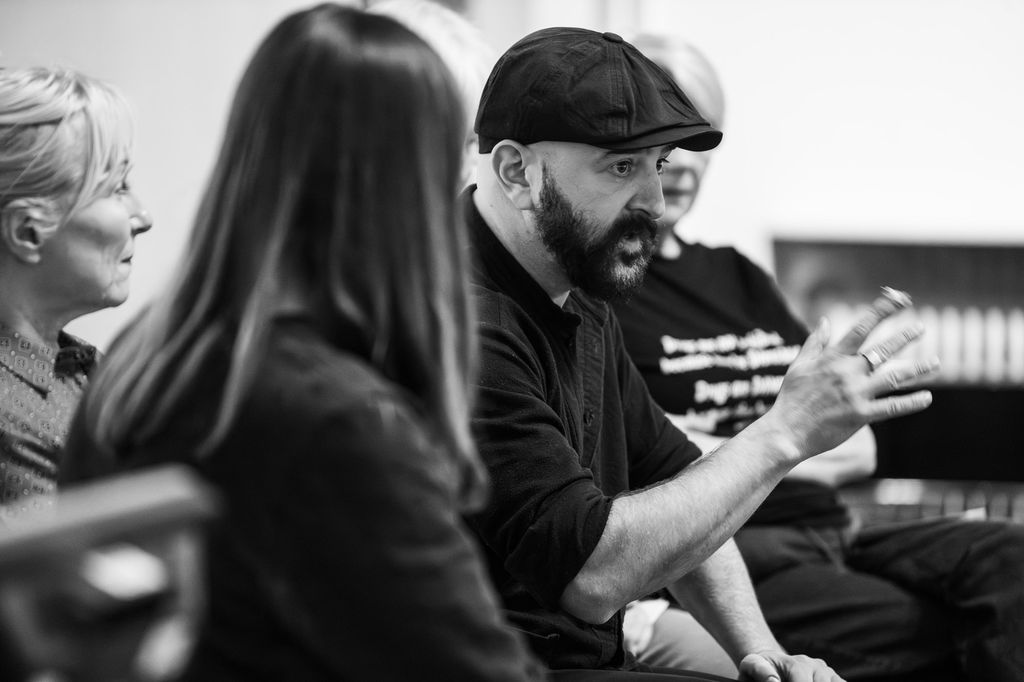

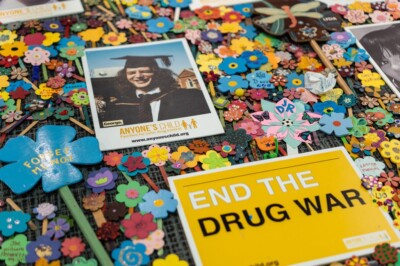
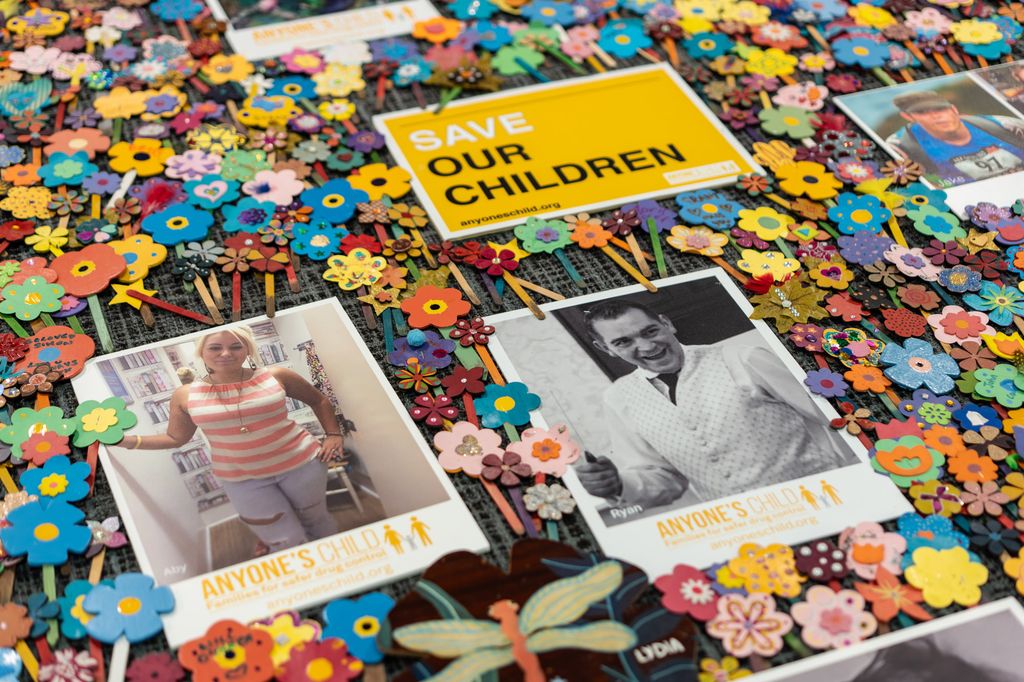
Photography by Nigel Brunsdon
.Local residents, families, councillors, and academics took their seats as recently released ONS data highlighted the urgent need for a new approach, revealing 3,736 registered ‘drug misuse’ deaths across England and Wales in 2024.
It wasn’t always this way. Author JS Rafaeli, who co-authored *Drug Wars* and *Good Cop, Bad War*, walked the audience through the history of the “British System.” Established in the 1920s, this approach treated dependency as a health issue rather than a criminal one. People were prescribed pharmaceutical heroin, allowing them to stay employed and socially integrated. Rafaeli explained how this sensible approach prevented an unregulated and uncontrolled market from taking root. In 1964, only 342 people in the UK were registered as being dependent on heroin. Following the shift to a criminal model in 1971, that figure has now surged to over 300,000.
The increase in numbers has significantly impacted those tasked with enforcing the law. Debbie King, a former Detective Inspector representing Anyone’s Child and the Law Enforcement Action Partnership (LEAP), provided an insider’s perspective. However, her viewpoint soon changed as she witnessed her own daughter’s struggles with dependency. King dismantled the idea that the current laws protect people who use drugs and their families.
“The criminality of drug use didn’t stop my daughter from using, but it did magnify the harm to the wider family.”
Explaining that almost half of prisoners are held for drug-related offenses:
“Regulation would reduce harm, save money, and improve health.”
While the legal system consumes resources, the health risks of a toxic drug supply continue to evolve. Dr. Judith Yates, a retired GP, warned about the nature and threat of nitazenes. These synthetic opioids are up to 500 times stronger than heroin and represent a rapidly escalating danger. While the official death toll has risen sharply, experts fear the recorded figures are still an underestimate. Dr. Yates dispelled an all-too-often common stereotype of ‘addiction.’ Instead, she provided examples of young individuals, often neurodivergent, who die due to lack of a safe supply. She cited the tragic case of a young person with autism who was “self-medicating to cope with life.” In a regulated market, she argued, they would likely still be alive.
It is a realisation that comes too late for families already grieving. Following Dr. Yates, Jude Duncan provided a powerful testimony. She spoke of her brother, a firefighter and father of four, describing the “aching span of time” since his death. The stigma attached to drug use, she noted, prevents people from seeking help.
“To say these identities together, a firefighter and a person who uses drugs, still feels risky even now,” she said. “That is the power of the stigma he lived with.”
The accounts and experiences shared at Hansom Hall were a stark reminder that the decades-old criminal justice approach to drug policy is not only failing but actively fueling a preventable crisis. The combined testimony—from historical evidence proving the success of a health approach, to a former police officer’s personal realization of the law’s harmful impact, to a doctor’s warning about the rise of synthetic opioids, a direct consequence of prohibition—leaves little room for debate. The voices from Leicester, representing experts and heartbroken families alike, are unified: stigma must be replaced with compassion, and criminalisation must be replaced with legal control and regulation. For the sake of saving lives, reducing crime, and restoring human potential, they urged policymakers and local leaders to finally heed the evidence and take drugs seriously by adopting a system that prioritises public health over punishment.
Leicester: “Take Drugs Seriously” is part of a series of nationwide events. If you’re interested in helping to organise a similar event in your area or to join our network please get in touch.
Silence on drug deaths is compliance with the status quo. Please use our template to email your MP.



Leave A Comment