
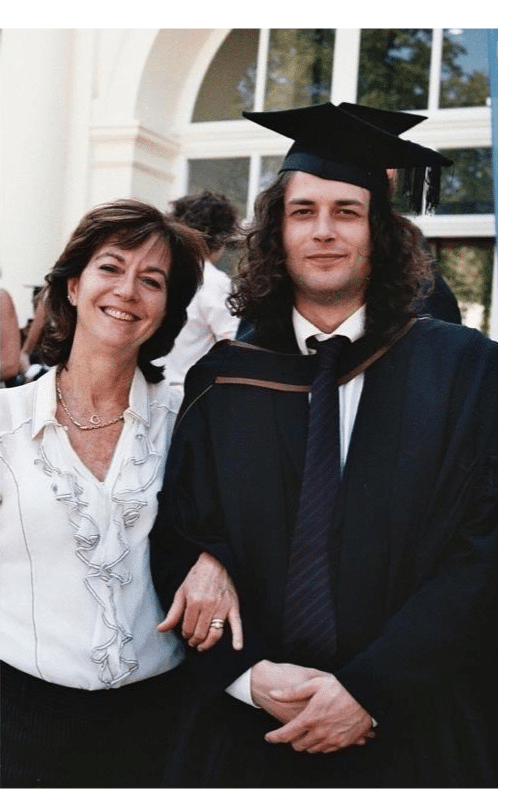
 Alison Bedford-Russell lost her son George to an accidental overdose in 2016. A decade later, as part of our Take: Drugs Seriously events that we run around the country, she hosted Bromsgrove: Take Drugs Seriously, bringing the local community together, families, health professionals, service providers, and the local Conservative MP, Bradley Thomas to address an urgent question: How do current drug policies cause harm in communities like ours, and what might we do differently?
Anne-Marie Cockburn, a founding member of Anyone’s Child, reflected on the death of her daughter Martha, who was fifteen when she died after taking MDMA in 2013. Anne-Marie has written and spoken widely about the experience of bereavement, and about how silence and stigma isolate families.
Neil Woods, former undercover police officer and chair of LEAP UK, explained how criminalised markets produce uncertainty about drug strength, composition, and supply. Those conditions increase the risk of overdose and violence. Prohibition, he argued, does not reduce drug use. It strengthens organised crime and pushes risk downwards onto the most vulnerable people in the supply chain, including children.
Dr Judith Yates offered a medical perspective developed over decades of practice in Birmingham. Her recent work documents the emergence of nitazenes, highly potent synthetic opioids now entering the UK drug market, often sold as other substances. Global supply disruptions and enforcement actions have encouraged the spread of cheaper, more transportable synthetics, with serious consequences for people not previously exposed to them. The picture she described, of an increasingly unpredictable and dangerous market, made the case for legal regulation.
Will Bedford Russell spoke with heartfelt conviction about his admiration for his older brother. He struggled to watch as Gerorge was not only denied access to regulated heroin but was also denied access to primary mental health care, a decision based entirely on that he was a person who was using drugs. He placed his family’s experience within wider patterns of systemic failure. Fragmented services, chronic underfunding, and punitive laws combine, he argued, to leave people living complex lives without effective support. The gaps between mental health care, alcohol and other drug services, and the criminal justice system mean that people who use drugs are treated as offenders rather than as people in need of care.
Jane Slater, CEO of the Transform Drug Policy Foundation and Campaign Manager for Anyone’s Child, urged attendees to write to their MPs about the failures of current drug policy and the need for meaningful reform. She invited the community to encourage their representatives to engage directly with these issues by attending the Anyone’s Child annual lobby of Parliament on the 23rd June.
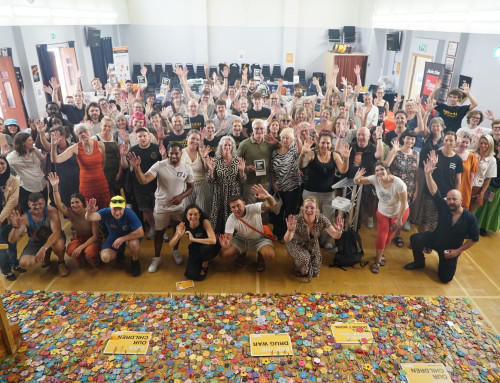
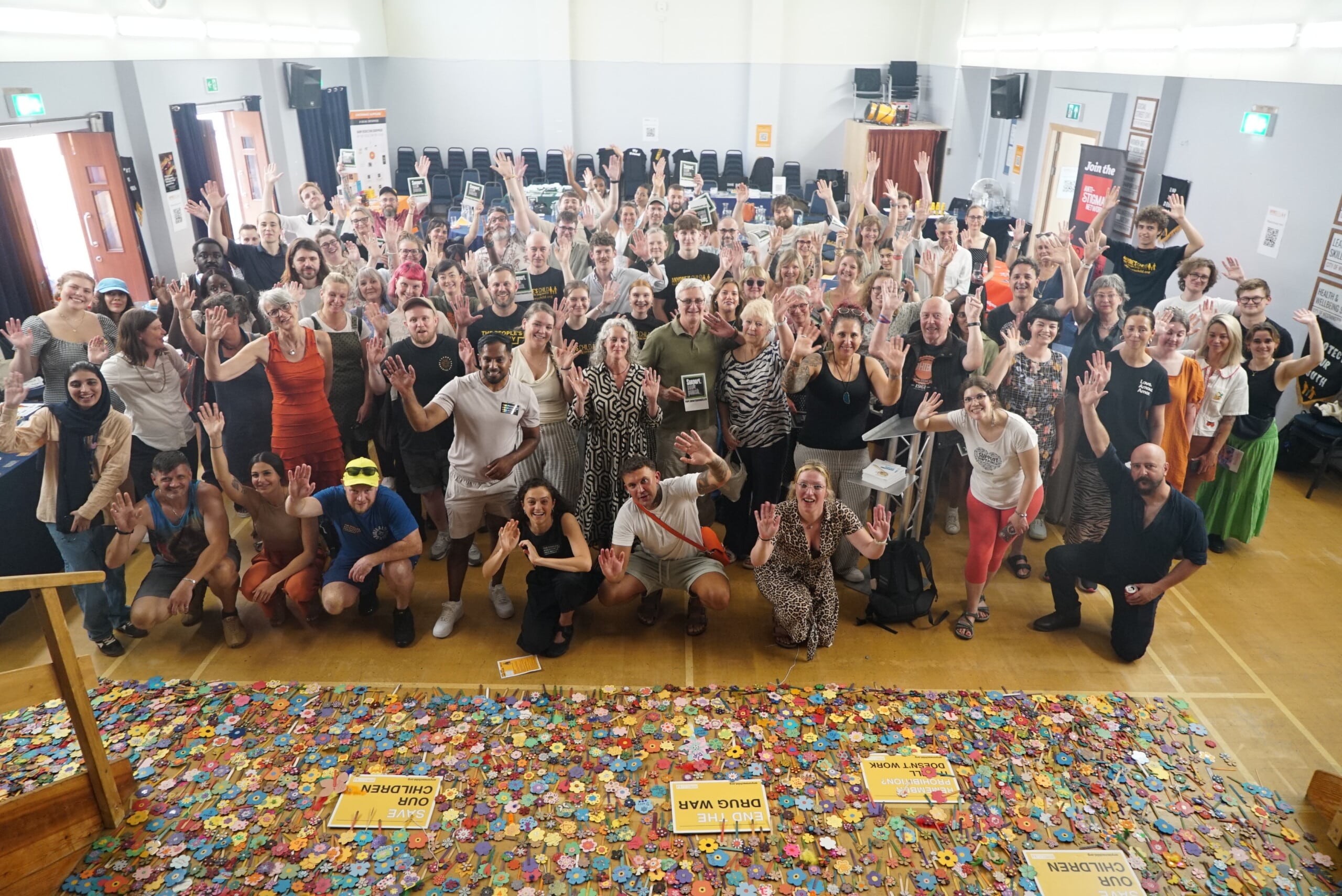
Photographs of George and Martha were displayed in a memorial of forget-me-not flowers paying tribute to those who have lost their lives due to failed drug policy. To highlight how these tragic deaths are avoidable, residents were invited to view a mock Overdose Prevention Centre (OPC). OPCs are hygienic, supervised spaces where people can consume drugs without fear of criminalisation, under the oversight of trained staff, with access to sterile equipment and immediate medical response. The evidence base is substantial. OPCs prevent overdose deaths, reduce public injecting and discarded needles, decrease transmission of blood-borne viruses, and increase engagement with treatment services, all while being cost-effective for health systems and policing. Two hundred now operate in at least eighteen countries. In Bromsgrove, the mock OPC served as a practical prompt: what changes when supervision, knowledge, and care are introduced into environments currently defined by risk?
The evening also featured stalls from local services working on the same questions every day. Cranstoun Worcestershire, the county’s alcohol and other drug treatment provider, shared information on outreach, harm reduction, needle and syringe programmes, and naloxone training. Maggs Day Centre, a Worcestershire-based homelessness charity, highlighted its drop-in, outreach, and overdose prevention work with people experiencing homelessness and vulnerability. Their presence made a point that ran through the whole evening: reducing drug-related harm requires accessible, non-judgmental services operating now, not waiting for policy to catch up.
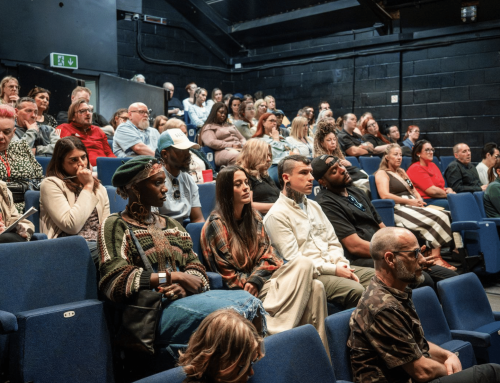
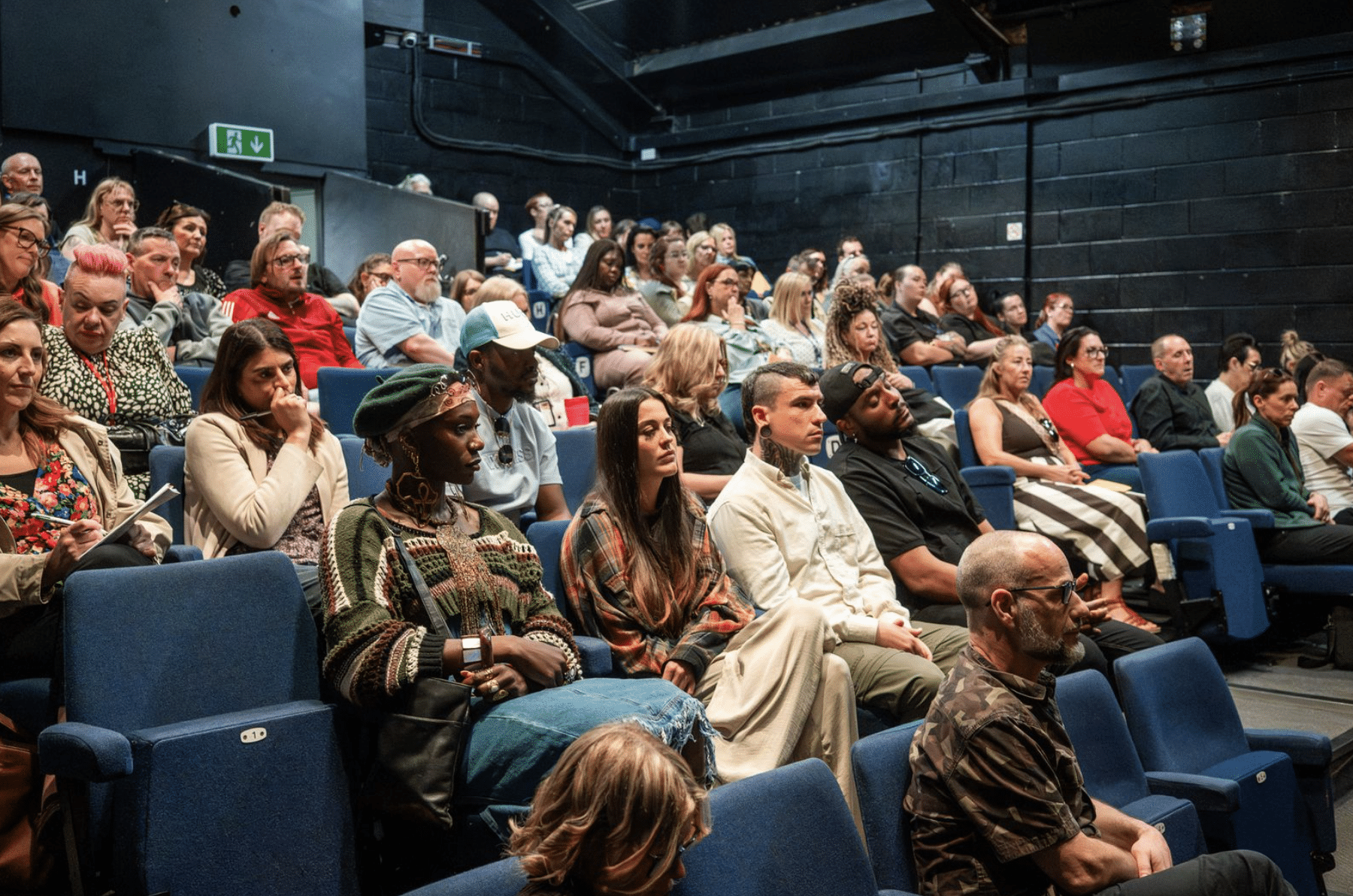
What was perhaps most striking about the evening was the community itself. The room was full, and it stayed full. People lingered at the stalls, asked questions of the speakers, and shared their own experiences with strangers. There were professionals and parents, young people and those with decades of lived experience, all present for the same reason. The energy was not one of despair, though grief was present throughout, but of people who had decided that silence was no longer acceptable. Bromsgrove: Take Drugs Seriously was a reminder that the appetite for honest, compassionate conversation about drug policy exists right here, in our communities.




I’m from Bromsgrove originally but now live in Cardiff. I’m in my second year of a Master’s degree I. Substance Use and also a heroin addict in recovery.
I think it’s amazing that all this has been happening in Bromsgrove. I think there is so much knowledge that we can learn from people with lived experience.
Reading this has given me hope that change is in the air.